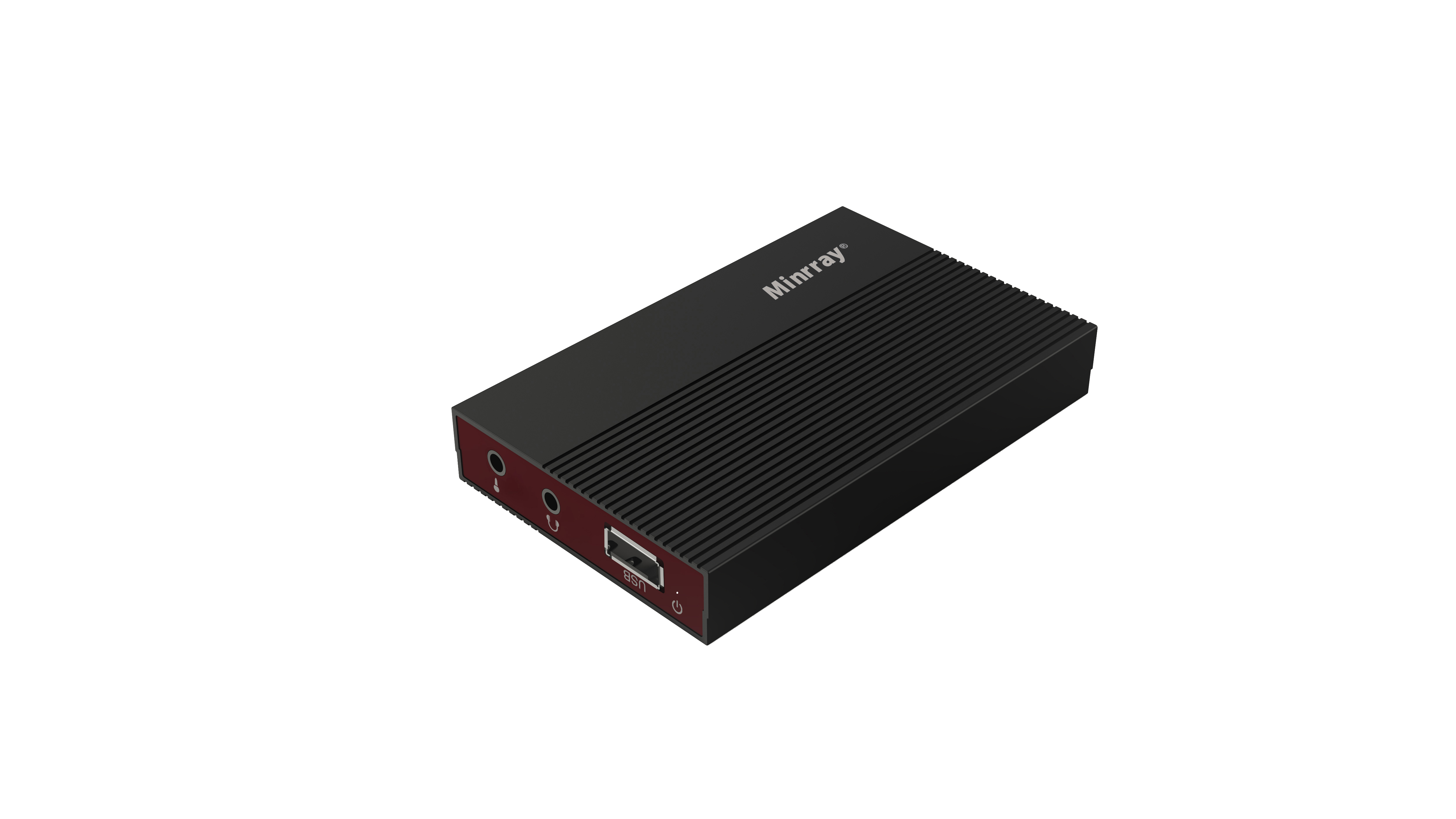
For decades, the ECM was viewed as a "black box"—a mysterious component tucked under the dashboard or inside a control panel that only engineers understood. Its job was simple: keep the engine running, manage fuel injection, and maybe turn on a check engine light when things went wrong.
Modern ugoku ECMs store short-term and long-term trims in non-volatile memory. For the top tier, enable —where adjustments made in one load/rpm cell also influence neighboring cells via Gaussian smoothing. ugoku ecm top
And through the static, a voice—synthesized, wrong, but unmistakably intelligent—said: For decades, the ECM was viewed as a
Standard ECMs operate on static maps. "If X happens, do Y." However, modern Ugoku systems utilize neural processing. Imagine a delivery truck climbing a steep, icy grade in Hokkaido. For the top tier, enable —where adjustments made
The concept of Ugoku ECM flips the script on traditional document management. If traditional ECM asks, "Where do we put this file?" Ugoku ECM asks, "What does this file need to do?"