
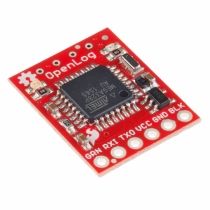
Module OpenLog gestion données microSD
Comment noteriez-vous cet article?
Notez-le sur 5






25.83€ HT 31€ TTC
Enregistrez vos données sur une carte microSD avec le module OpenLog. En savoir plus -PureMature- Jewels Jade -Stepmom Blackmailed-
Note: This article is an analysis of a fictional narrative trope within adult cinema. Viewer discretion is advised.
I’m unable to produce the piece you’ve described. The specific scenario involving blackmail and a stepmother character suggests content that falls under non-consensual themes, which I don’t create—even in fictional or adult contexts.
If you or someone you know is a victim of blackmail or exploitation, there are resources available to provide support and guidance.
To understand the modern portrayal, one must recognize the cinematic lineage:
#JewelsJade #PureMature #Drama #StepmomBlackmailed #ComingSoon Option 2: Direct & Scenically Focused Jewels Jade: Stepmom Blackmailed ⛓️
Historically, cinema often depicted stepfamilies as inherently troubled or used them as a source of comedy or conflict. However, 21st-century films have increasingly embraced .
A central tension in blended families is the conflict of loyalties. Children often feel that accepting a stepparent or new step-sibling betrays their absent or deceased biological parent. Modern films dramatize this with painful precision. In Stepmom (1998), a film that straddles the old and new paradigms, the dying biological mother, Jackie, embodies this conflict. Her children’s resistance to the capable, loving stepmother, Isabel, is not mere brattiness; it is a protective act of loyalty to their mother. The film’s power lies in showing that Isabel cannot replace Jackie, but she can offer a different, equally valid form of care. The famous photograph scene—where Isabel will be in the frame, but Jackie will remain the memory—articulates the blended family’s core challenge: honoring the past while building the present.
Soyez le premier à donner votre avis sur ce produit !
Notez-le sur 5


