
We Uses Cookies
This website uses cookies to enhance
your browsing experience.
We Uses Cookies
This website uses cookies to enhance
your browsing experience.
: Gender identity is one's internal sense of being male, female, both, or neither (who you are ). Sexual orientation refers to whom a person is attracted to (who you love ). A transgender person can identify as straight, gay, lesbian, bisexual, or any other orientation. Terminology :
Trans people face higher rates of workplace discrimination and housing instability compared to cisgender gay and lesbian individuals. shemale ladyboy sapphire young videos pack 2 link
The transgender community and LGBTQ culture are intricately woven together, forming a rich and diverse tapestry that celebrates identity, creativity, and resilience. At its core, LGBTQ culture is about embracing one's true self, fostering a sense of belonging, and advocating for equality and acceptance. : Gender identity is one's internal sense of
One of the defining features of LGBTQ culture is its commitment to inclusivity and diversity. LGBTQ individuals and communities have long been at the forefront of social justice movements, advocating for the rights and dignity of marginalized and oppressed groups. This commitment to social justice is reflected in the many LGBTQ organizations and initiatives that work to promote awareness, acceptance, and inclusivity, both within and beyond the LGBTQ community. Terminology : Trans people face higher rates of
The transgender community is not an addendum to LGBTQ culture but a foundational pillar. From Stonewall to ballroom to contemporary legislative fights, trans individuals have defined queer resistance and creativity. While distinct challenges—particularly around medical access and violence—separate trans experiences from LGB ones, the shared goal of living authentically outside rigid social norms binds them. For LGBTQ culture to thrive, it must continually uplift and protect its most vulnerable members: transgender people, especially trans women of color. The future of the movement depends on full, unapologetic inclusion.
: Gender identity is one's internal sense of being male, female, both, or neither (who you are ). Sexual orientation refers to whom a person is attracted to (who you love ). A transgender person can identify as straight, gay, lesbian, bisexual, or any other orientation. Terminology :
Trans people face higher rates of workplace discrimination and housing instability compared to cisgender gay and lesbian individuals.
The transgender community and LGBTQ culture are intricately woven together, forming a rich and diverse tapestry that celebrates identity, creativity, and resilience. At its core, LGBTQ culture is about embracing one's true self, fostering a sense of belonging, and advocating for equality and acceptance.
One of the defining features of LGBTQ culture is its commitment to inclusivity and diversity. LGBTQ individuals and communities have long been at the forefront of social justice movements, advocating for the rights and dignity of marginalized and oppressed groups. This commitment to social justice is reflected in the many LGBTQ organizations and initiatives that work to promote awareness, acceptance, and inclusivity, both within and beyond the LGBTQ community.
The transgender community is not an addendum to LGBTQ culture but a foundational pillar. From Stonewall to ballroom to contemporary legislative fights, trans individuals have defined queer resistance and creativity. While distinct challenges—particularly around medical access and violence—separate trans experiences from LGB ones, the shared goal of living authentically outside rigid social norms binds them. For LGBTQ culture to thrive, it must continually uplift and protect its most vulnerable members: transgender people, especially trans women of color. The future of the movement depends on full, unapologetic inclusion.
About JVG Electronics
Thankyou for contacting us.
We deals in all types of video games, consoles and its accessories.
We provide genuine produts.
You can say a complete shop of gaming available at one place.
JVG ELECTRONICS Since 2005
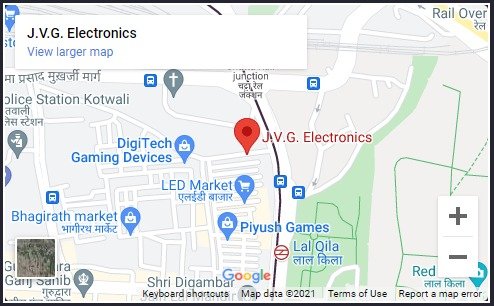
JVG ELECTRONICS Stall no.-32A More sarai road, Old lajpat rai market, Chandni chowk, Near Lal quila metro station gate no.-2 Delhi - 110006
,
,
,
Pay Using





Download Our App
© 2026 Next Dapper Canvas. All rights reserved.
