By Gergely Orosz, the author of The Pragmatic Engineer Newsletter and Building Mobile Apps at Scale
Navigating senior, tech lead, staff and principal positions at tech companies and startups. An Amazon #1 Best Seller. New: the hardcover is out! As is the audibook. Now available in 6 languages.
Malayalam cinema, often called , acts as a living document of Kerala's evolving social, political, and cultural landscape. Unlike the large-scale spectacle found in many other Indian film industries, Kerala’s cinema is deeply rooted in realism and authenticity , a direct reflection of the state's high literacy rates and intellectual traditions. Historical Foundations and Cultural Roots
As climate change floods the paddy fields and IT parks replace the rubber plantations, Malayalam cinema has become the memory card of Kerala. It preserves the smell of the first monsoon rain ( Mazha Peyyunnu Maddalam Kottunnu ), the taste of Karimeen Pollichathu , and the sound of a grandmother singing a Thiruvathira song. For the Keralite living in Dubai, London, or New Jersey, these films are not entertainment. They are the Maninadham (the soil’s heartbeat). For the outsider, they are the most honest, beautiful, and complicated travel guide to the soul of South India.
The 2010s marked a radical shift. Earlier, Malayalam cinema was heavily influenced by the theater traditions of Kerala Nadanam and mythologies. The late 80s gave us "new wave" directors like Padmarajan and Bharathan who filmed the erotic and the surreal in the Kerala countryside.
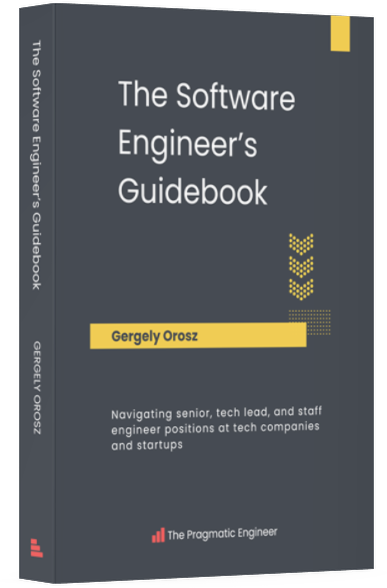
The book is separated into six standalone parts, each part covering several chapters:
Parts 1 and 6 apply to all engineering levels: from entry-level software developers to principal or above engineers. Parts 2, 3, 4 and 5 cover increasingly senior engineering levels. These four parts group topics in chapters – such as ones on software engineering, collaboration, getting things done, and so on.
This book is more of a reference book that you can refer back to, as you grow in your career. I suggest skimming over the career levels and chapters that you are familiar with, and focus reading on topics you struggle with, or career levels where you are aiming to get to. Keep in mind that expectations can vary greatly between companies.
In this book, I’ve aimed to align the topics and leveling definitions closer to what is typical at Big Tech and scaleups: but you might find some of the topics relevant for lower career levels in later chapters. For example, we cover logging, montiroing and oncall in Part 5: “Reliable software systems” in-depth: but it’s useful – and oftentimes necessary! – to know about these practices below the staff engineer levels.
The Software Engineer's Guidebook is available in multiple languages:
You should now be able to ask your local book shops to order the book for you via Ingram Spark Print-on-demand - using the ISBN code 9789083381824. I'm also working on making the paperback more accessible in additional regions, including translated versions. Please share details here if you're unable to get the book in your country and I'll aim to remedy the situation.
I'd like to think so! The book can help you get ideas on how to help software engineers on your team grow. And if you are a hands-on engineering manager (which I hope you might be!) then you can apply the topics yourself! I wrote more about staying hands-on as an engineering manager or lead in The Pragmatic Engineer Newsletter.
I've gotten this variation of a question from Data Engineers, ML Engineers, designers and SREs. See the more detailed table of contents and the "Look inside" sample to get a better idea of the contents of the book. I have written this book with software engineers as the target group, and the bulk of the book applies for them. Part 1 is more generally applicable career advice: but that's still smaller subset of the book.