Bokep Bocil Abg Paksa Buat Bugil Supaya Mau Ngentot Bareng Bokepid Wiki Hot Tube
 AssetsAll Downloads
 Play Now
AssetsAll Downloads
Play Now
Play Now
AssetsAll Downloads
Play Now
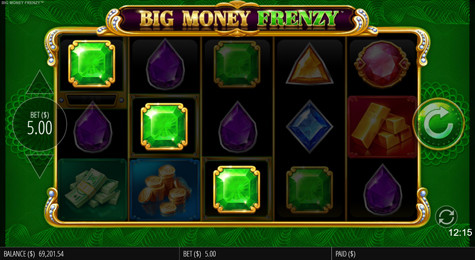
Big Money awaits in this 10 win-line slot. look out for the Golden Dollar Symbol which can award Money Spins. Trigger Frenzy Spins and enter the vault for some Big Money action.

K-Pop (think BTS and Blackpink) remains a giant force, but Indonesian youth are fiercely patriotic about their local idols. The rise of (Pop Indonesia) groups like JKT48 and Lyodra has created a renaissance.
Indonesia, the world's fourth most populous country, has a vibrant and dynamic youth culture. With over 70% of its population under the age of 30, Indonesia's young people are driving social, economic, and cultural change. K-Pop (think BTS and Blackpink) remains a giant
These stalls, set up on sidewalks with plastic stools, serve sego kucing (a fistful of rice with a tiny anchovy) and black coffee. But now, they have Wi-Fi, power banks for rent, and a sound system playing lo-fi hip hop. With over 70% of its population under the
Indonesian youth culture is a high-energy blend of deep-rooted tradition and hyper-connected modernity. As the largest economy in Southeast Asia with a massive "Gen Z" and Millennial population, Indonesia’s trends are currently defined by three main pillars: digital fluency, "local pride," and social consciousness. The Digital Lifestyle Indonesian youth culture is a high-energy blend of
In music, the dominance of the Pamit phenomenon (sad, melancholic acoustic songs) spearheaded by artists like Mahalini and Fabio Asher has been paralleled by the aggressive rise of hyper-pop and indie rock. Bands like Hindia and Lomba Sihir use complex Indonesian lyricism to discuss existentialism and social issues, while the resurgence of funkot (underground funk house) and dangdut koplo —once considered lowbrow—has become a staple of youth raves, proving that authenticity trumps elitism.